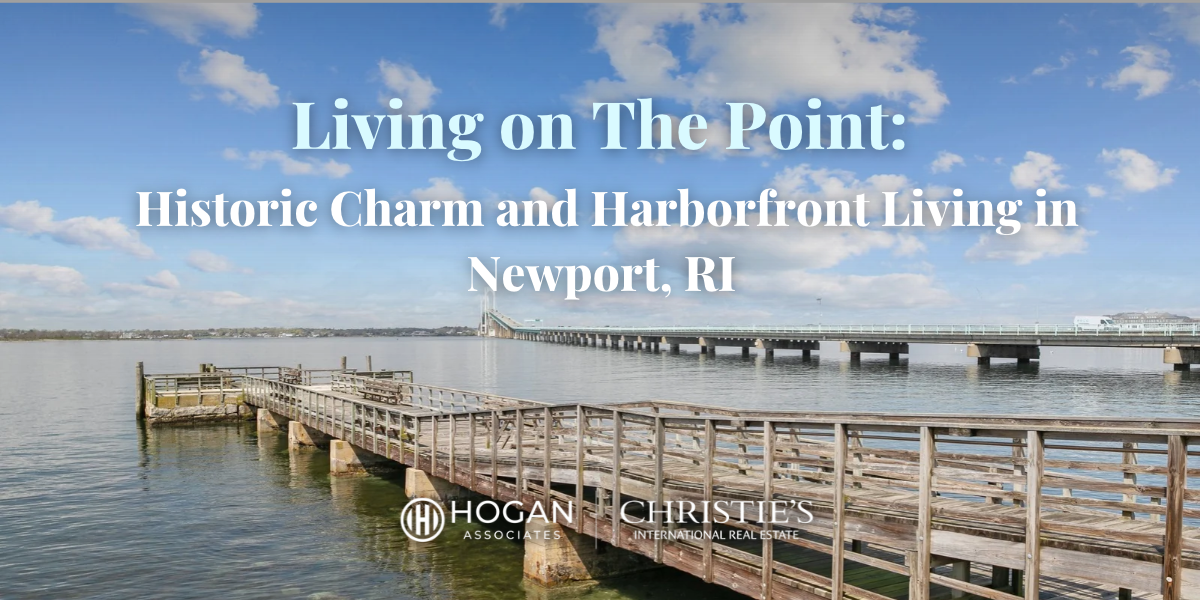
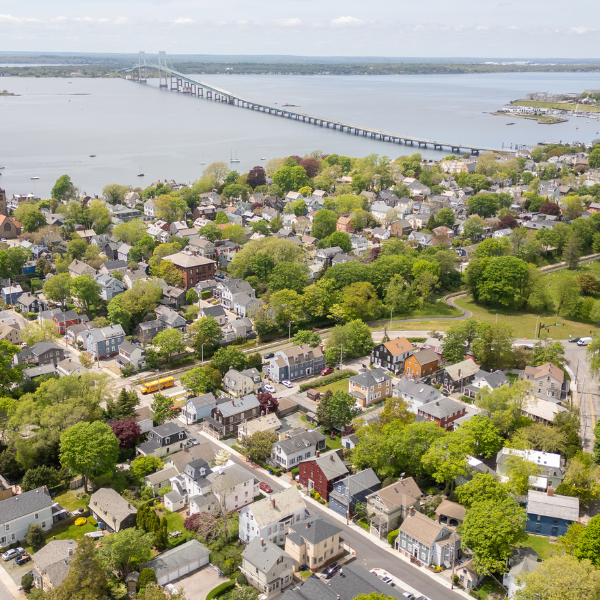
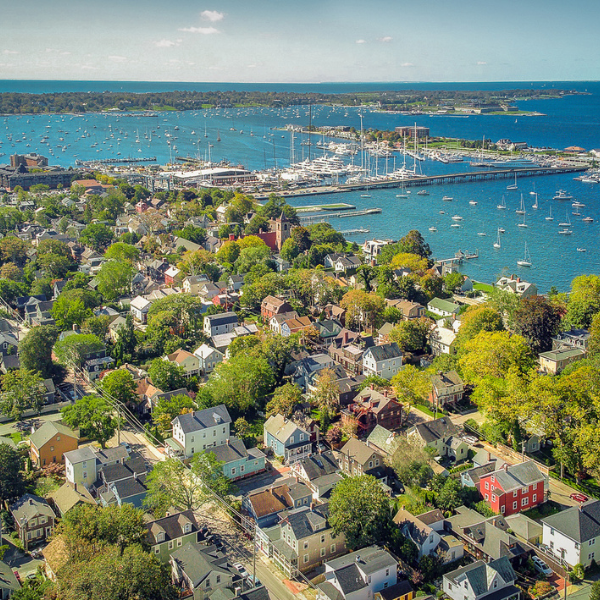
Just north of downtown Newport, The Point is the quieter, more lived-in side of the city: a compact waterfront neighborhood of Colonial homes and narrow streets, where Newport Harbor is never far from view.
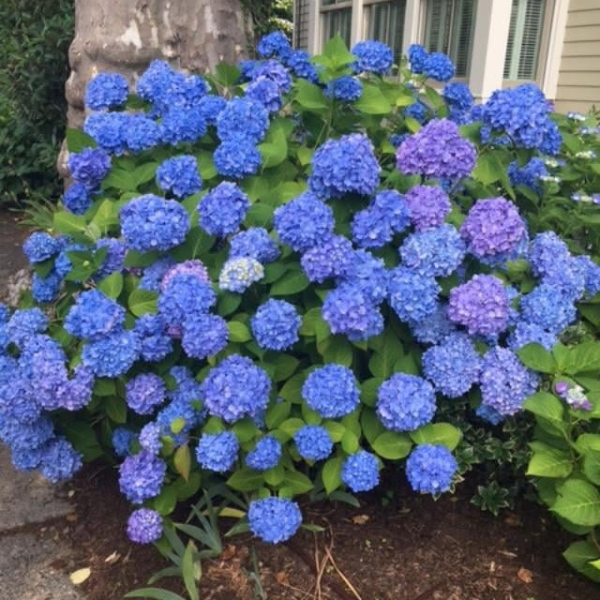
Many of the houses here date back to the 1700s, built for the merchants and mariners who shaped Newport’s early history. Today, The Point is a place where neighbors know each other, gardens bloom between the homes, and downtown is an easy walk away.
The History and Historic Homes of The Point
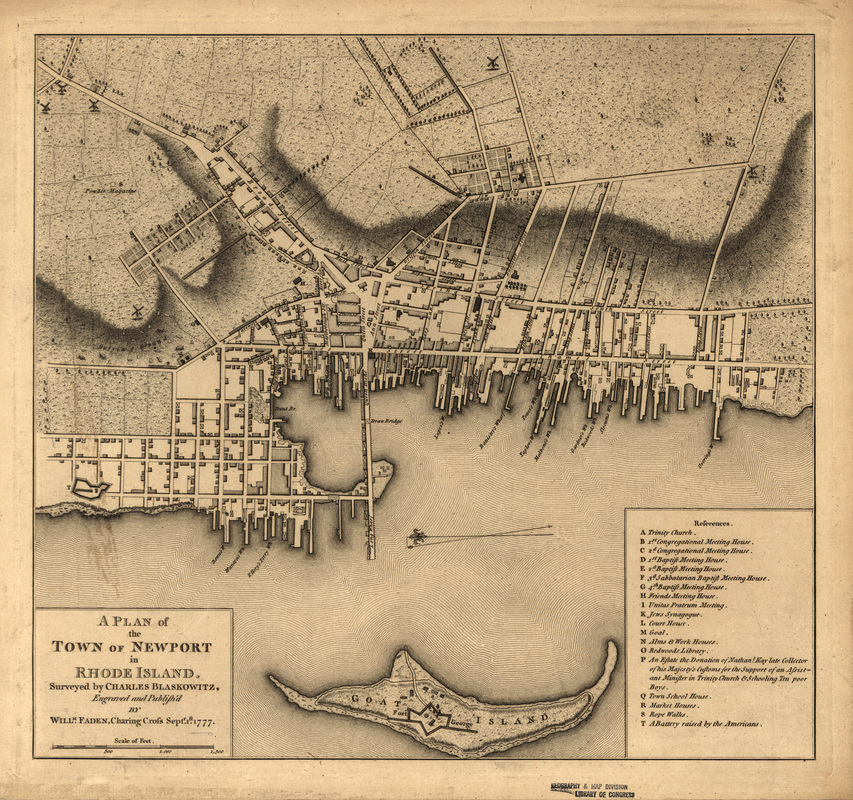
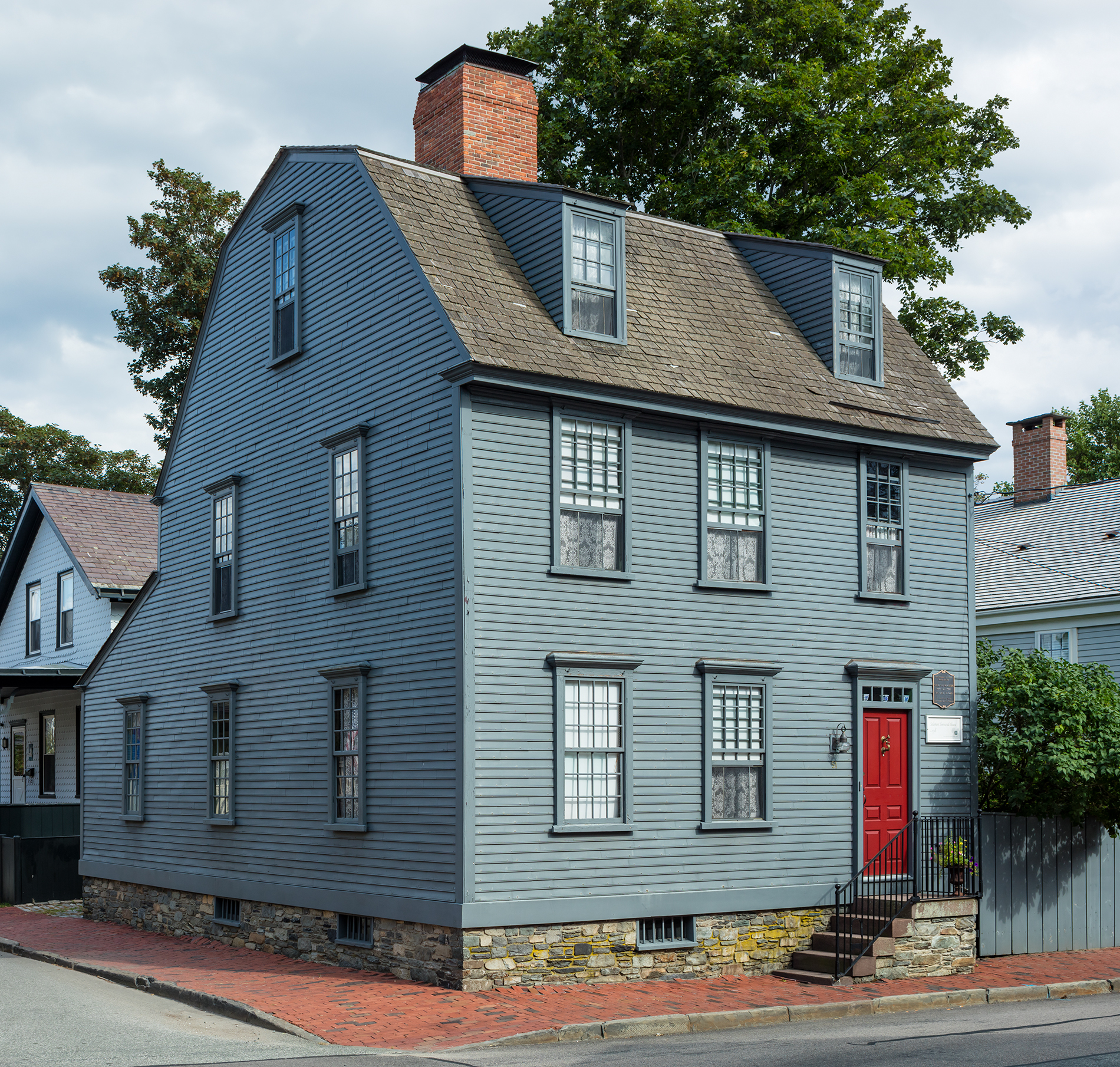
The Point’s history dates to the 17th century, when Nicolas Easton, one of Newport’s founders, first settled the area. In 1725, his heirs divided the property into lots and sold parcels to many of the city’s early tradesmen and merchants. By the 18th century, the neighborhood was closely tied to Newport’s thriving maritime trade.
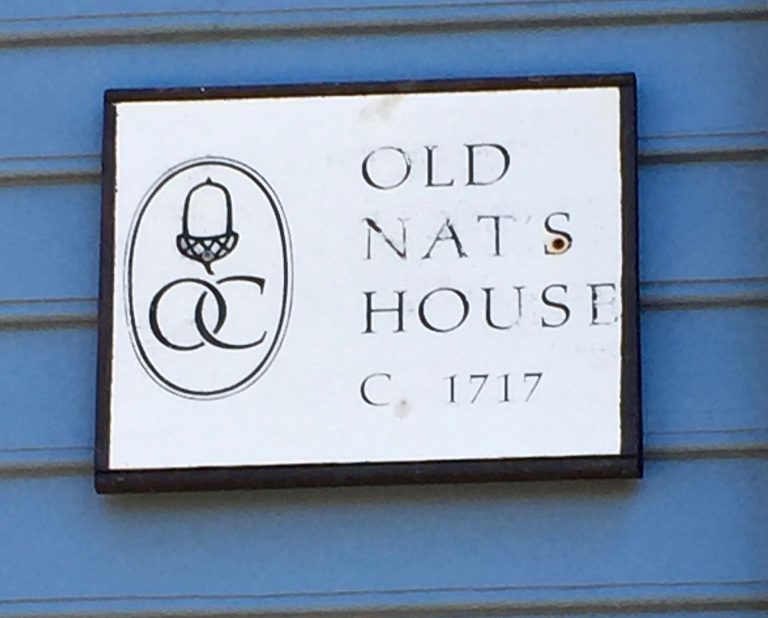
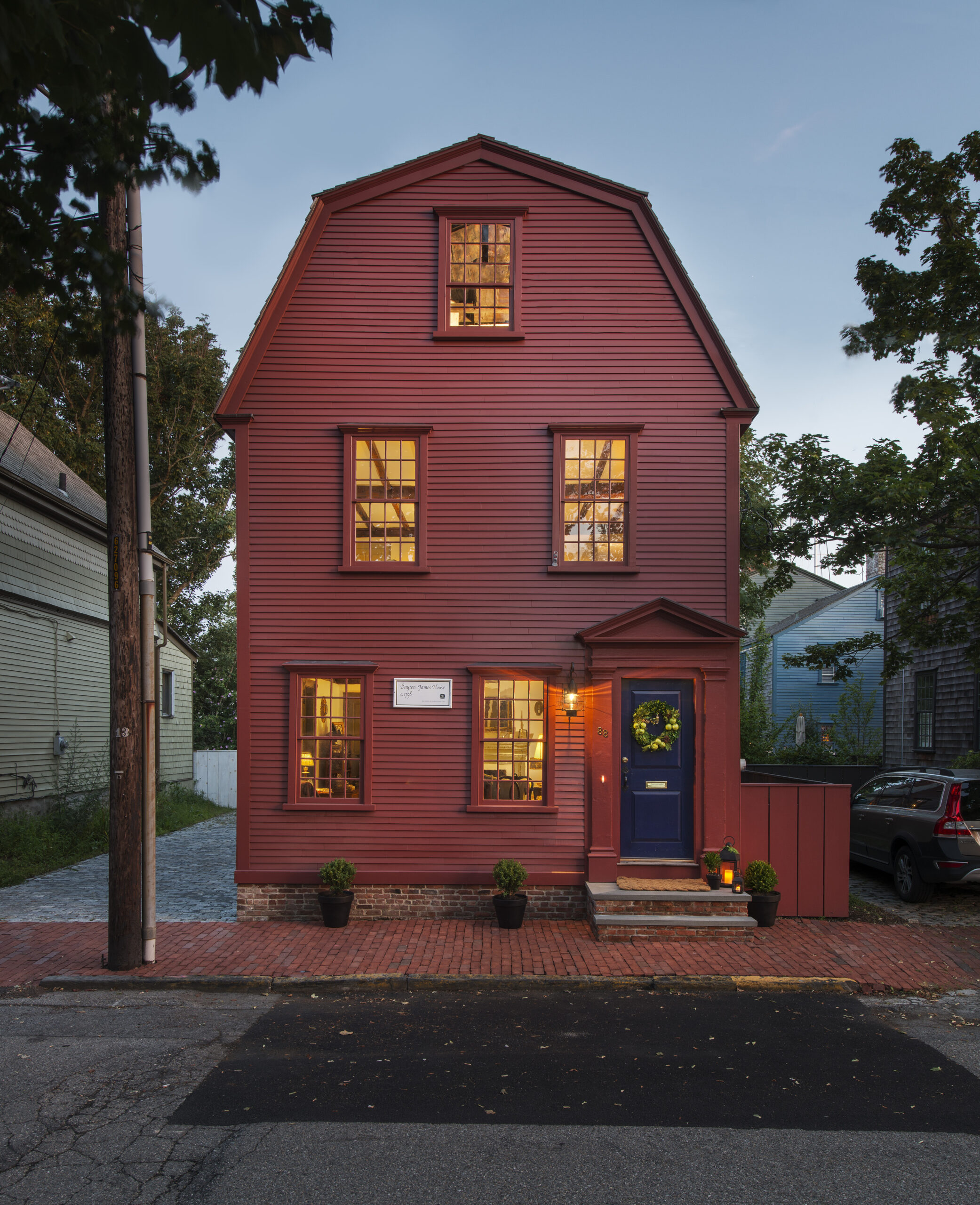
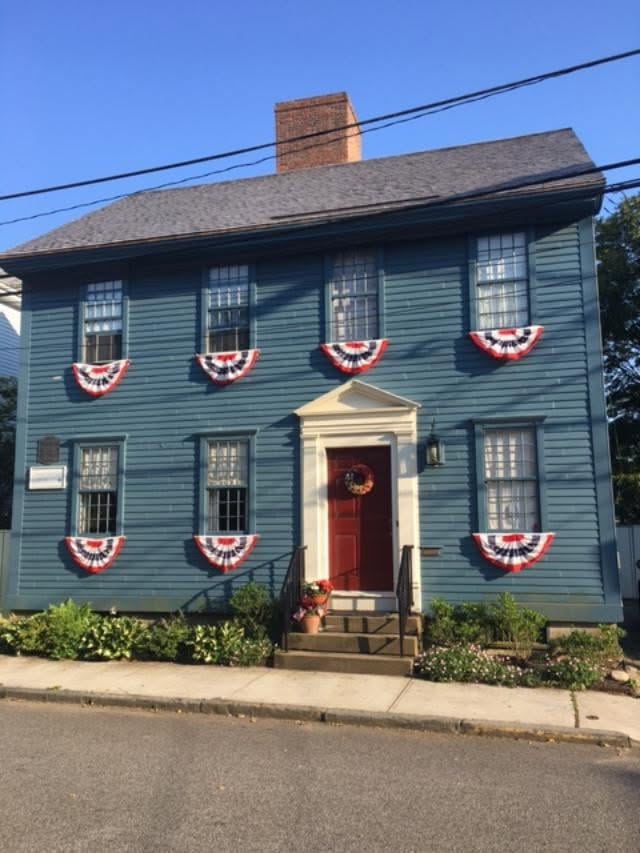
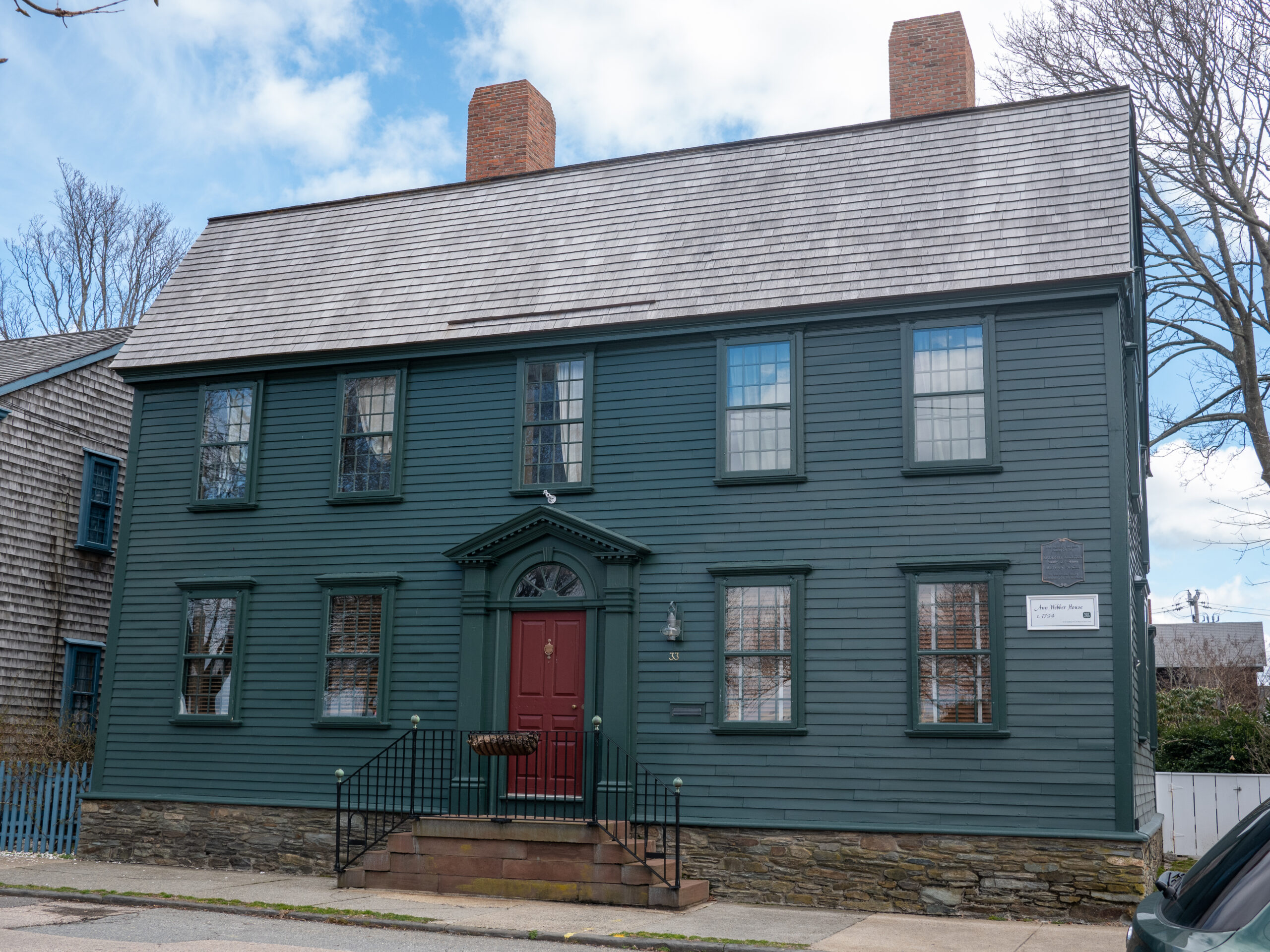
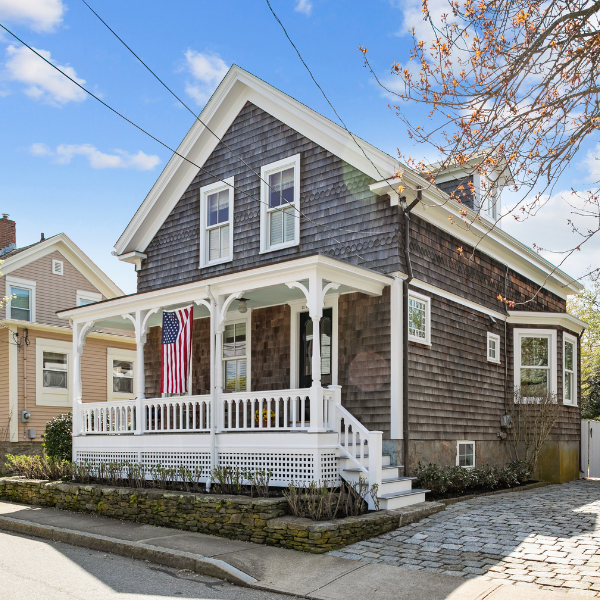
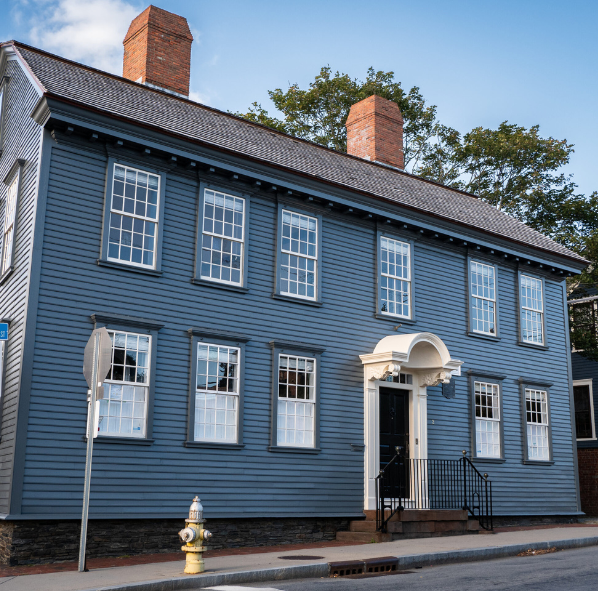
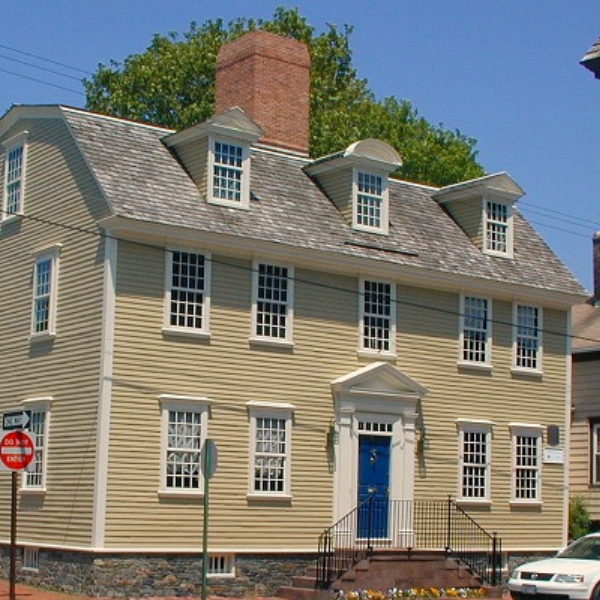
That history is still visible on the street. Along Second, Third, Chestnut, and Poplar, Colonial-era homes sit close together on compact lots, with clapboard siding, multi-pane windows, and carefully preserved details. Later Victorian-era properties add variety to the streetscape.
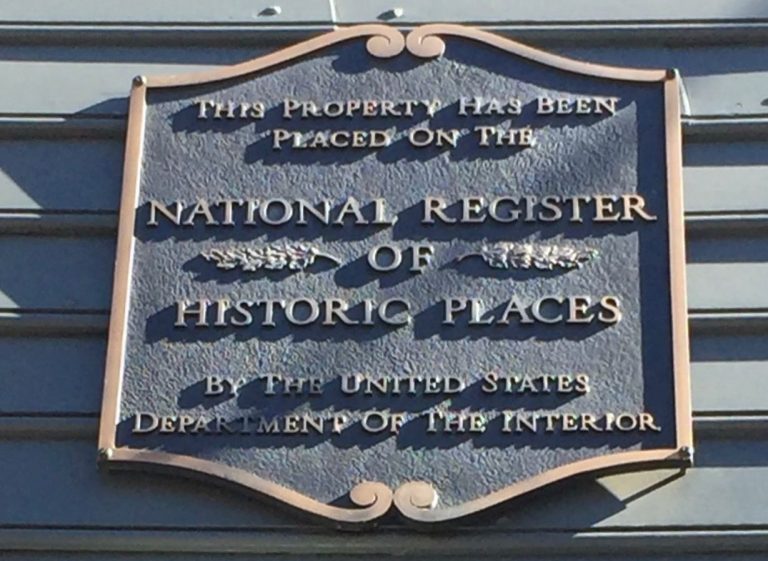
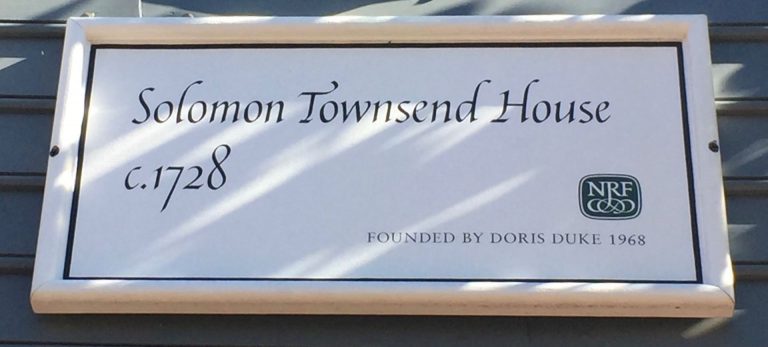
It nearly didn’t survive. In the 1960s and 1970s, local preservationists organized Operation Clapboard, a grassroots effort that saved more than 80 historic houses. Doris Duke’s Newport Restoration Foundation, established in 1968, restored 27 Colonial homes in the neighborhood. In 1969, after advocacy by residents and Senator Claiborne Pell, The Point received historic district designation, which continues to protect its architectural character.
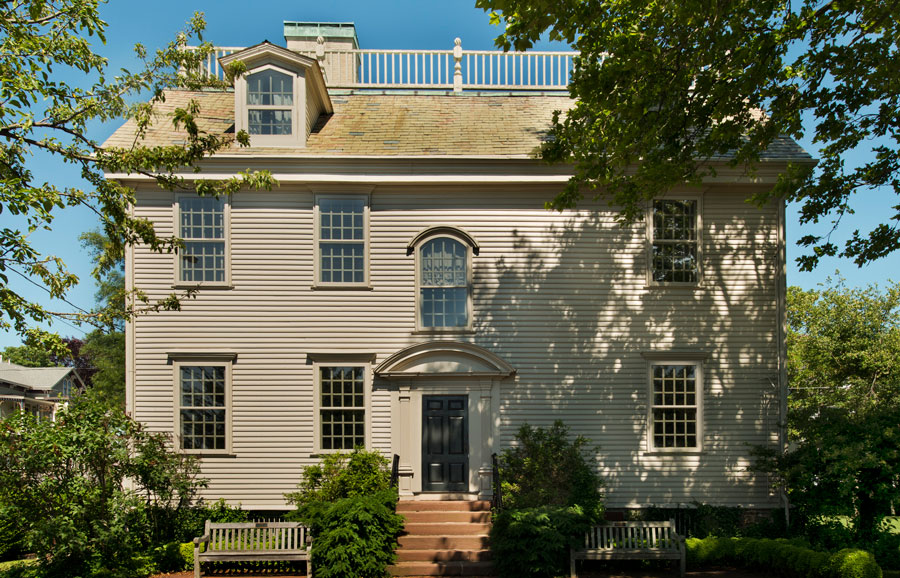
Several landmarks tie the neighborhood to larger chapters of American history. The 1748 Hunter House on Washington Street once belonged to colonial Deputy Governor Joseph Wanton Jr., and during the Revolutionary War it served as headquarters for French Admiral Charles-Henri-Louis d’Arsac de Ternay. The Great Friends Meeting House on Farewell Street, built in 1699, is the oldest surviving house of worship in Rhode Island and reflects the neighborhood’s deep Quaker roots.
Waterfront Living and Walkability
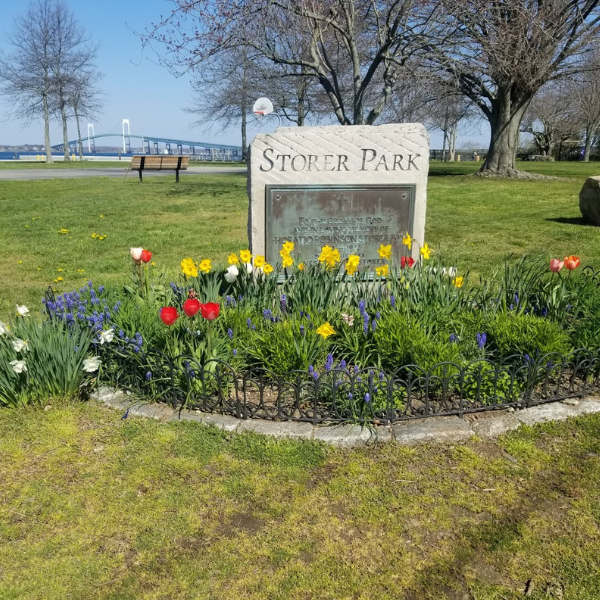
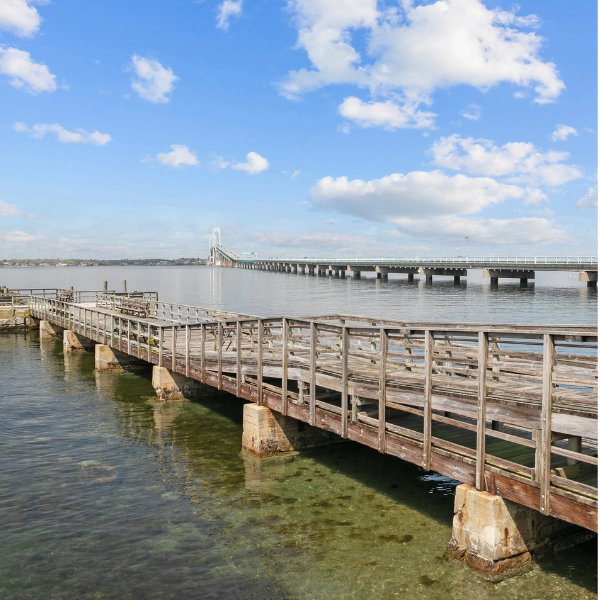
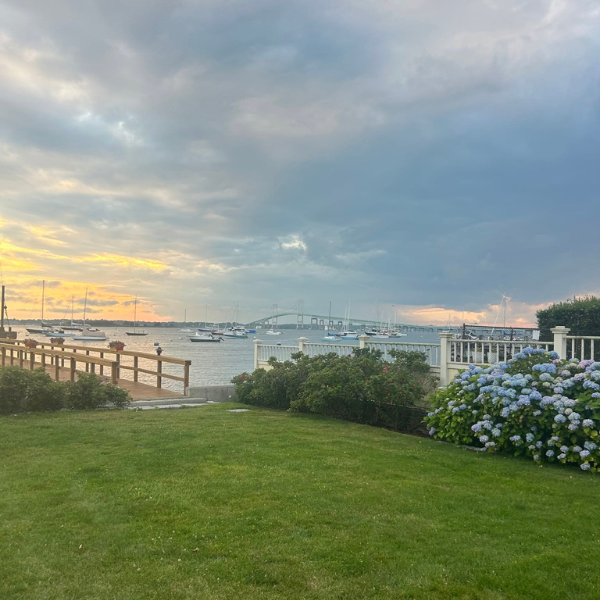
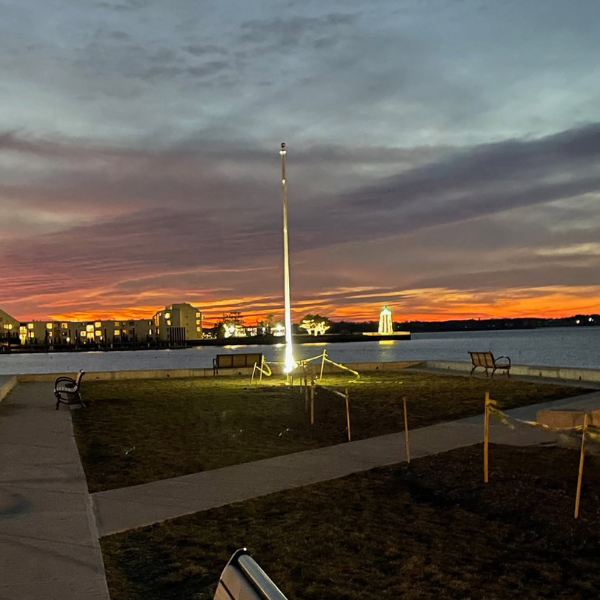
Newport Harbor is a constant presence on The Point. From various spots in the neighborhood you can see Rose Island, Jamestown, and the Pell Bridge, whose lights sparkle after dark. Sailboats, visiting yachts, and working vessels keep the scene changing. Battery Park and Storer Park offer green space for a walk or a view of the water.
Downtown Newport is within walking distance for many residents, with restaurants, shops, and marinas close at hand. Cardines Field, one of the country’s oldest ballparks, is nearby, and Newport Shipyard, a full-service marine facility, sits at the neighborhood’s waterfront edge.
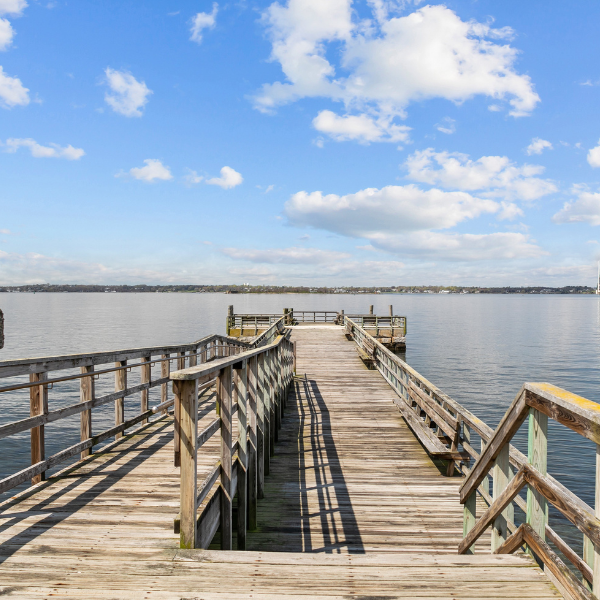
The Point’s waterfront isn’t just for boat owners. Several neighborhood streets end in public driftways, historic rights of way that provide access to the harbor. The Elm Street ramp and pier also offer convenient access for kayaking and paddleboarding.
The Point Association keeps the neighborhood connected year-round. Its Events Committee organizes member gatherings including a Halloween Parade, a Holiday Tree Lighting, a New Year’s party, and a June Block Party. A Beautification Committee handles the upkeep side, with a popular annual Plant Sale and spring and fall clean-ups that keep the streets looking their best.

The Point Real Estate: What to Expect
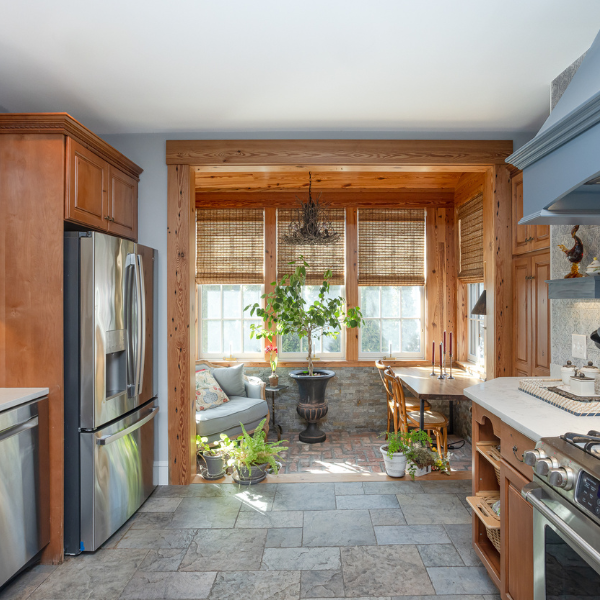
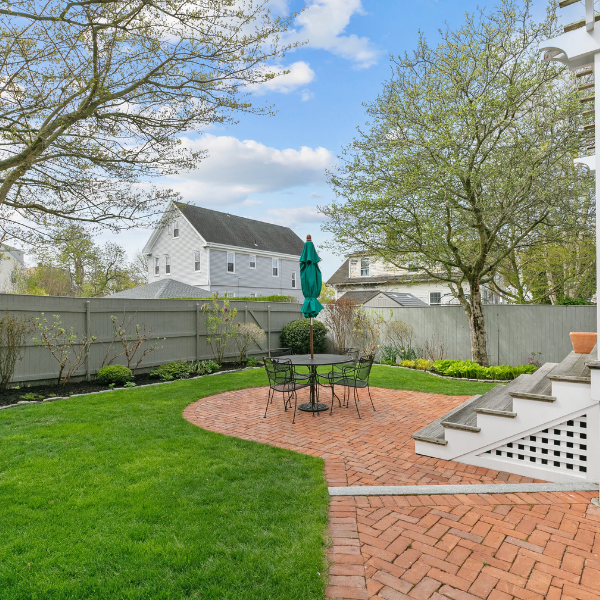
Homes on The Point range from carefully preserved Colonial houses to Victorian-era properties and residences that pair historic details with modern updates. Because the neighborhood is so compact, lot sizes, outdoor space, parking, and proximity to the water vary from one street to the next, and two homes a block apart can feel very different.
Owning an older home here is part of the appeal, and part of the responsibility. Period floor plans, original woodwork, and the ongoing care a centuries-old house asks for are what make these properties special, and they are worth understanding before you buy. Proximity to the harbor is another factor to weigh, since it can affect everything from views to flood zone status and insurance.
One more thing buyers should know up front: because The Point is a designated historic district, certain exterior changes may require review and approval by Newport’s Historic District Commission. That’s worth factoring into any plans for additions, windows, or exterior updates.
Local knowledge matters here for another reason, too. Pricing a Point home, or preparing one for sale, means understanding what makes a specific house and block valuable, from original details to harbor proximity.
Thinking About Buying or Selling on The Point?
Hogan Associates brings deep local knowledge of Newport and its neighborhoods to every client. Contact us to talk through your goals and learn more about Newport’s coastal real estate market.